Vanilla Buttermilk Sheet Cake
Highlighted under: Golden Food
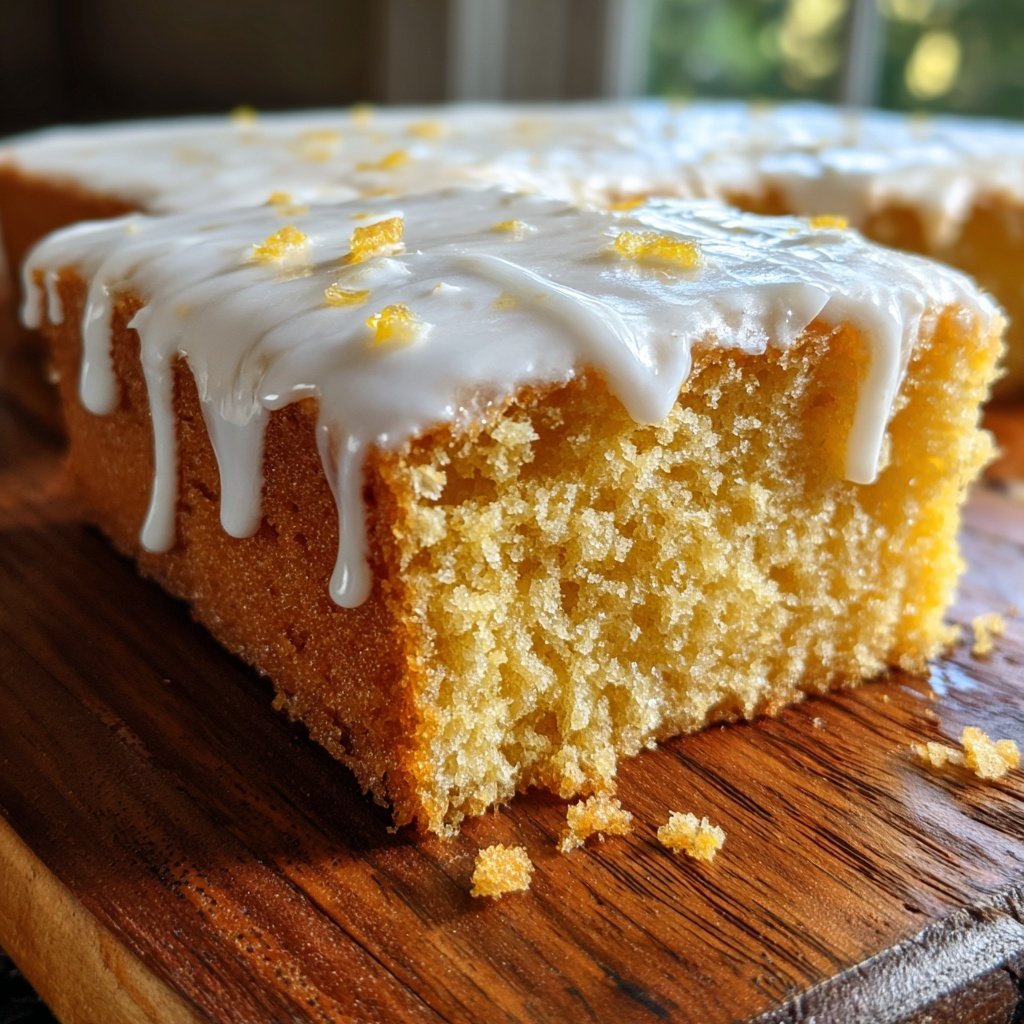
I love making this Vanilla Buttermilk Sheet Cake whenever I get the chance. It’s moist, flavorful, and perfect for both casual gatherings and special occasions. The buttermilk adds a delightful tang that complements the sweet vanilla beautifully, while the sheet cake format is so easy to prepare and serve. I often find that it disappears quickly at parties, leaving everyone asking for the recipe! Trust me, this cake will become a go-to favorite in your baking repertoire.
Recently, I had some friends over, and I decided to whip up this Vanilla Buttermilk Sheet Cake to treat them. The cake turned out incredibly moist, and the buttermilk truly made a difference in the flavor profile, giving it that perfect hint of tanginess that balanced the sweet vanilla. I used a combination of cake flour and all-purpose flour, which helped achieve that tender crumb I absolutely love.
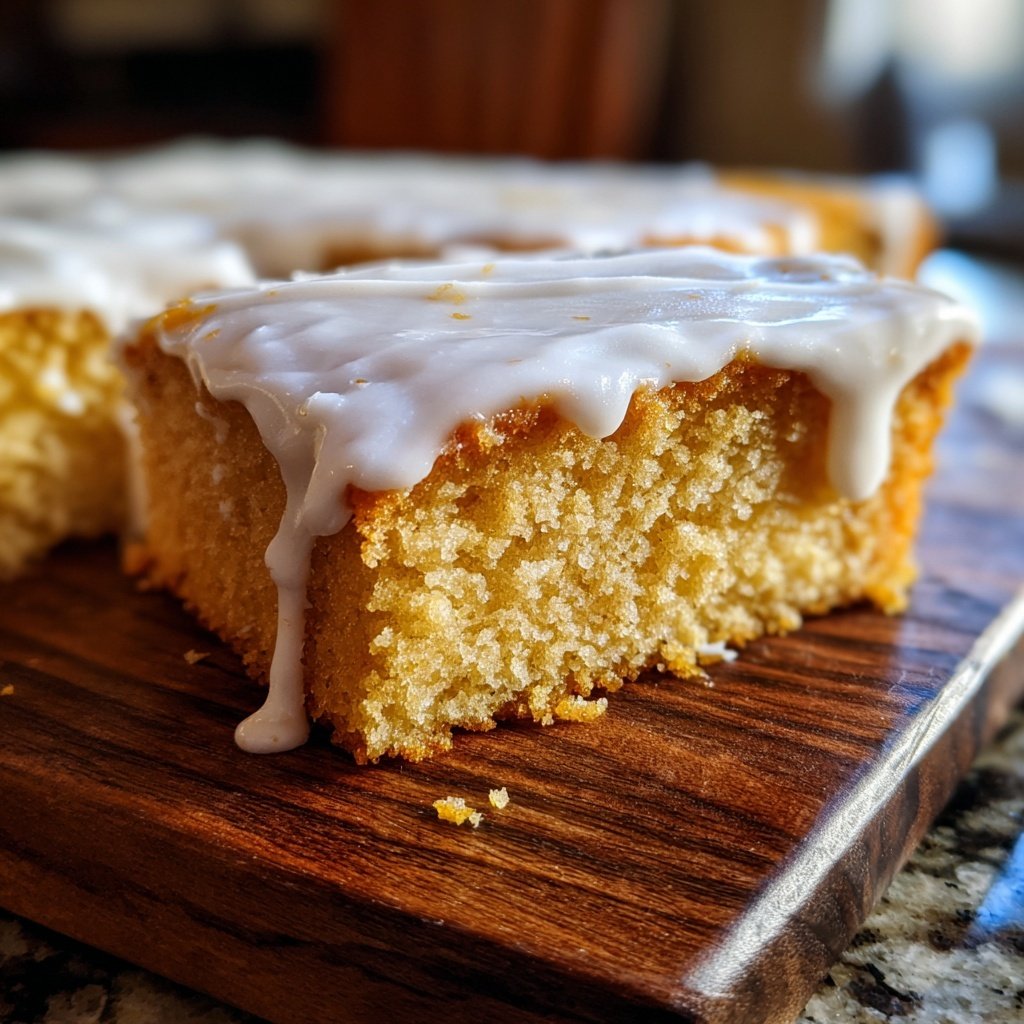
As I was frosting it with a simple buttercream, I couldn’t help but enjoy how beautifully it spread over the cake. A tip I swear by is to use room temperature ingredients; it really makes a difference in the cake’s texture. Everyone raved about it, and, of course, I am more than happy to share the recipe!
Why You'll Love This Recipe
- Moist and tender crumb that melts in your mouth
- Delicious vanilla flavor with a hint of buttermilk
- Simple to make and perfect for any occasion
Understanding the Role of Buttermilk
Buttermilk is a key ingredient in this Vanilla Buttermilk Sheet Cake, contributing moisture and a subtle tanginess that elevates the vanilla flavor. Its acidity reacts with baking soda, helping the cake to rise and ensuring a light, tender crumb. If you're in a pinch and don’t have buttermilk on hand, you can easily make a substitute by mixing one cup of milk with one tablespoon of white vinegar or lemon juice. Let it sit for about five minutes before using; this will mimic the acidity needed for the recipe.
In addition to contributing flavor, buttermilk helps to keep the cake fresh longer. It binds moisture within the cake, preventing it from drying out quickly. Make sure your buttermilk is at room temperature when mixing, as this will help the ingredients combine more seamlessly, leading to a fluffier texture. I’ve noticed that cakes baked with buttermilk maintain their moistness even a couple of days after baking, making them perfect for leftovers.
Tips for Perfect Frosting
When preparing the frosting for your cake, ensure that your butter is softened to room temperature but not melted. Overly soft or melted butter can lead to a runny frosting that won’t hold its shape well. For optimal results, you can place the butter in a warm spot for about 30 minutes before starting. Cream the butter until it’s light and fluffy, which should take about 2-3 minutes. This air incorporation is crucial for a light texture in your frosting.
If you prefer a creamier, more indulgent frosting, consider adding an extra tablespoon of milk or using heavy cream in place of regular milk. Keep in mind that adding more liquid will result in a softer consistency, so it’s ideal for a more spreadable frosting rather than one that needs to hold a specific shape for decoration. Adjust the powdered sugar accordingly to maintain the desired thickness.
Serving and Variations
This Vanilla Buttermilk Sheet Cake is wonderfully versatile for serving. You can enjoy it plain or top it with seasonal fruits like strawberries or peaches to complement the vanilla flavor. For special occasions, consider adding a layer of fresh fruit preserves beneath the frosting to add a fruity twist and create a beautiful layered effect. Just be cautious of moisture - if using juicy fruit, you might want to reduce the milk in your frosting to maintain consistency.
If you want to make this cake ahead of time, it freezes beautifully. After cooling completely, wrap the fully frosted cake tightly in plastic wrap, then aluminum foil. It can be frozen for up to 3 months. When you’re ready to serve, allow it to defrost in the refrigerator overnight. This can save time for events while ensuring you have a delightful dessert ready to impress your guests.
Ingredients
For the Cake
- 2 cups all-purpose flour
- 1 1/2 cups granulated sugar
- 1/2 cup unsalted butter, softened
- 1 cup buttermilk, room temperature
- 3 large eggs, room temperature
- 1 tablespoon vanilla extract
- 1 1/2 teaspoons baking powder
- 1 teaspoon baking soda
- 1/2 teaspoon salt
For the Frosting
- 1/2 cup unsalted butter, softened
- 2 cups powdered sugar
- 2 tablespoons milk
- 1 teaspoon vanilla extract
Instructions
Preheat the Oven and Prepare the Pan
Preheat your oven to 350°F (175°C). Grease and flour a 13x18-inch sheet pan.
Mix the Dry Ingredients
In a large bowl, whisk together the flour, baking powder, baking soda, and salt until well combined.
Cream Butter and Sugar
In another bowl, cream the softened butter and granulated sugar together until light and fluffy. This will take about 3-5 minutes.
Add Eggs and Vanilla
Beat in the eggs one at a time, mixing well after each addition. Then, stir in the vanilla extract.
Combine Wet and Dry Ingredients
Gradually add the dry ingredient mixture to the butter mixture, alternating with the buttermilk. Begin and end with the flour mixture, mixing until just combined.
Pour and Bake
Pour the batter into the prepared sheet pan and spread evenly. Bake for 25-30 minutes, or until a toothpick inserted in the center comes out clean.
Cool and Frost
Allow the cake to cool in the pan for about 10 minutes, then transfer to a wire rack to cool completely. While cooling, prepare the frosting by creaming the butter, then gradually beating in the powdered sugar, milk, and vanilla until smooth. Once cooled, frost the cake as desired.
Pro Tips
- To make the cake even more flavorful, try adding a teaspoon of almond extract. Also, consider serving it with fresh berries for an extra touch.
Common Mistakes to Avoid
One common mistake is overmixing the batter once the dry ingredients are added. This can develop the gluten in the flour too much, causing the cake to be dense rather than light and tender. Be sure to mix until just combined, and don’t worry about small lumps; they will bake out during cooking.
Another pitfall is forgetting to adjust the baking time if you use a different pan size. If you opt for a smaller pan, the cake will likely take longer to bake; conversely, a larger pan will necessitate a shorter baking time. Keep an eye on it around the 25-minute mark and perform the toothpick test to avoid overbaking.
Storage Instructions
To store your Vanilla Buttermilk Sheet Cake, keep it covered at room temperature for up to two days for optimal moisture retention. If you need to keep it longer, refrigerate or freeze it as mentioned previously. If refrigerated, be aware that it may dry out slightly, so it’s best to wrap it tightly in plastic before storing.
When serving leftovers, you can warm slices in the microwave for about 10-15 seconds for a lovely, cozy treat, resembling a freshly baked slice. Just be careful not to overheat them, as this can dry them out further.
Questions About Recipes
→ Can I use whole milk instead of buttermilk?
Yes, but add a tablespoon of vinegar or lemon juice to it to mimic buttermilk’s acidity.
→ How can I store leftovers?
Store the cake in an airtight container at room temperature for up to three days or refrigerate for up to a week.
→ Can I freeze this cake?
Yes! Wrap the cake tightly in plastic wrap and aluminum foil and freeze for up to three months. Thaw in the refrigerator before serving.
→ What type of frosting pairs well with this cake?
Cream cheese frosting, buttercream, or even whipped cream are all great options!
Vanilla Buttermilk Sheet Cake
What You'll Need
For the Cake
- 2 cups all-purpose flour
- 1 1/2 cups granulated sugar
- 1/2 cup unsalted butter, softened
- 1 cup buttermilk, room temperature
- 3 large eggs, room temperature
- 1 tablespoon vanilla extract
- 1 1/2 teaspoons baking powder
- 1 teaspoon baking soda
- 1/2 teaspoon salt
For the Frosting
- 1/2 cup unsalted butter, softened
- 2 cups powdered sugar
- 2 tablespoons milk
- 1 teaspoon vanilla extract
How-To Steps
Preheat your oven to 350°F (175°C). Grease and flour a 13x18-inch sheet pan.
In a large bowl, whisk together the flour, baking powder, baking soda, and salt until well combined.
In another bowl, cream the softened butter and granulated sugar together until light and fluffy. This will take about 3-5 minutes.
Beat in the eggs one at a time, mixing well after each addition. Then, stir in the vanilla extract.
Gradually add the dry ingredient mixture to the butter mixture, alternating with the buttermilk. Begin and end with the flour mixture, mixing until just combined.
Pour the batter into the prepared sheet pan and spread evenly. Bake for 25-30 minutes, or until a toothpick inserted in the center comes out clean.
Allow the cake to cool in the pan for about 10 minutes, then transfer to a wire rack to cool completely. While cooling, prepare the frosting by creaming the butter, then gradually beating in the powdered sugar, milk, and vanilla until smooth. Once cooled, frost the cake as desired.
Extra Tips
- To make the cake even more flavorful, try adding a teaspoon of almond extract. Also, consider serving it with fresh berries for an extra touch.
Nutritional Breakdown (Per Serving)
- Calories: 380 kcal
- Total Fat: 26g
- Saturated Fat: 15g
- Cholesterol: 195mg
- Sodium: 85mg
- Total Carbohydrates: 32g
- Dietary Fiber: 3g
- Sugars: 24g
- Protein: 6g